American Ball Embroidery: A Designer’s Craft Fair Review
As an embroidery designer who has spent countless weekends standing behind booths at local markets, I have learned that not every design translates well from the screen to the sales table. When I first loaded the American Ball Embroidery design into my software, I was looking for that specific spark that turns a simple piece of fabric into a must-have craft fair product. This review is written from the perspective of someone who needs designs to perform under the harsh lights of a convention center and the soft glow of an Etsy shop listing.
First Impressions and Visual Appeal
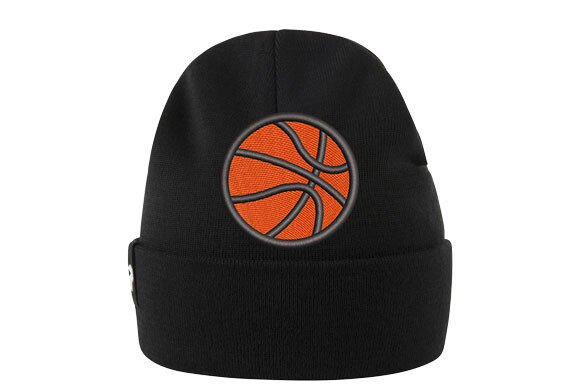
The description promises a "cool and simple" aesthetic, and in the world of handmade goods, simplicity often sells better than complexity. My initial assessment of American Ball Embroidery suggests it leans toward a modern, minimal vibe. It does not scream "rustic farmhouse" nor does it try too hard to be "elegant." Instead, it sits comfortably in a contemporary space that appeals to a broad demographic. For a small shop product, this versatility is crucial. You do not want a design that only appeals to one narrow niche unless you are specifically targeting that niche.
The visual weight of the design appears balanced. It feels bold enough to be noticed from three feet away—a critical distance for booth traffic—but clean enough to look premium up close. When evaluating a machine embroidery design for commercial use, I always ask: does it look expensive? This design has the potential to elevate a basic item because it avoids clutter. It allows the texture of the fabric to shine through, which is a hallmark of high-quality handmade product creation.
Product Versatility and Market Fit
To determine the true value of this digital embroidery file, I mentally placed it on various items I typically produce for weekend markets. Here is how American Ball Embroidery performs across different categories:
- Tote Bags: This is likely the strongest candidate. A canvas tote with a centered, striking graphic is a staple seller. The design works as a focal point without overwhelming the bag’s utility. As a tote bag design, it offers great visibility.
- Aprons and Tea Towels: For apron embroidery or tea towel embroidery, placement is key. This design seems adaptable enough to sit on the bib of an apron or the corner of a kitchen towel. However, on towels, you must consider the fabric texture. Loopy terry cloth can distort simple lines, so testing is essential.
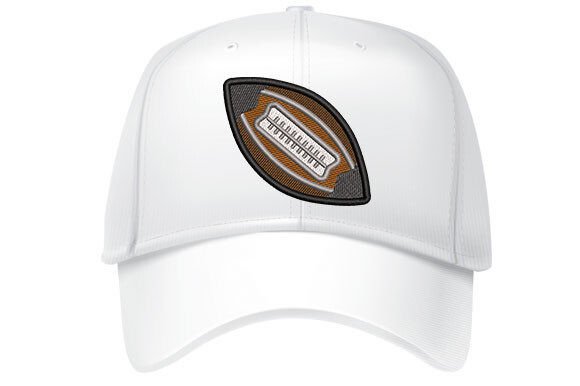
- Caps and Patches: Curved surfaces are tricky. If the design is too wide, it may wrap around the cap awkwardly. As an embroidered patch, however, it could thrive. Patches allow customers to add personality to existing jackets or bags, making them excellent impulse buys at fairs.
- Pillow Covers and Pouches: These items benefit from smaller, repeated motifs or a single central element. American Ball Embroidery could serve as a charming accent on a small zippered pouch, adding perceived value to a low-cost item.
Production Practicality for Sellers
For those of us running small businesses, time is money. A design that takes forty-five minutes to stitch is less viable than one that stitches out in fifteen, especially when producing batch orders. While the exact stitch count is not provided in the brief, the description of "simple" suggests efficient production. This is vital for commercial embroidery where margin matters.
Photography is another major factor. As an Etsy seller, you know that your main image must stop the scroll. Designs with clear shapes and good contrast photograph beautifully. American Ball Embroidery appears to have the structural integrity needed for crisp printable mockup creation. Clean lines mean less post-production editing in Photoshop, allowing you to list products faster.
Technical Considerations and Careful Use
Even the best designs have pitfalls. Here are the technical aspects I would scrutinize before committing to a large production run:
- Stitch Density: Simple designs can sometimes suffer from poor density settings. If the stitches are too sparse, the fabric shows through unpleasantly. If too dense, the fabric puckers. Always check the stitch density in your viewer software.
- Fabric Compatibility: Dark fabrics require careful planning. If the design relies on light threads, ensure there is no underlying fill that might shift the color perception. On textured towels, avoid tiny details that may get lost in the pile.
- Hoop Size: Since multiple formats are included, verify which hoop size corresponds to which file. Do not assume a 4x4 file will scale perfectly to a 5x7 hoop without checking the stitch resolution.
- Stabilizer Choice: For stretchy fabrics like tote bags or caps, the right stabilizer is non-negotiable. A design that looks flat on woven cotton might warp on knit fabric if not properly supported.
Enhancing Brand Consistency and Buyer Engagement
Using a consistent design language helps build brand recognition. If American Ball Embroidery fits your aesthetic, using it across a line of products—matching tote, matching mug, matching patch—creates a cohesive collection. This encourages buyers to purchase multiple items, increasing your average order value.
Furthermore, this design serves as an excellent entry point for new customers. It is approachable and unpretentious. In a booth setting, it acts as a conversation starter. Customers are more likely to pick up an item with a clear, bold graphic than one with intricate, hard-to-decipher details. It signals confidence in your craftsmanship.
Designer Notes for Best Results
Before you list this as a finished product or include it in your design assets library, follow these steps:
- Test on Scrap Fabric: Never skip the test stitch. Use the same fabric type you intend to sell.
- Check Thread Contrast: Experiment with high-contrast thread colors to make the design pop, or tonal colors for a subtle, premium look.
- Review Spacing: Ensure elements are not too close together, which can cause thread breaks or nesting.
- Confirm Licensing: Although this is categorized under Freebies, always read the specific license terms. Ensure you have the rights for commercial embroidery if you plan to sell physical goods.
- Create Real Mockups: Photograph the actual stitched item rather than relying solely on digital renders. Authenticity sells.
In conclusion, American Ball Embroidery presents itself as a versatile, market-ready asset for the modern maker. Its simplicity is its strength, offering ease of production and broad appeal. By paying attention to technical details like stabilizer choice and fabric texture, you can transform this embroidery file into a best-selling staple of your craft fair inventory. Whether you are an experienced Etsy seller or a newcomer to the handmade market, this design deserves a spot in your rotation.