Homebody Embroidery: A Designer’s Review for Craft Fair Success
As an embroidery designer who has spent countless weekends behind a booth table, I know that not every design translates well from the screen to the sales floor. When I first loaded the Homebody Embroidery file into my software, I was looking for more than just cute aesthetics. I was evaluating its potential as a high-converting craft fair product. This review breaks down how this specific machine embroidery design performs in real-world applications, focusing on what matters most to Etsy sellers, boutique makers, and handmade shop owners.
First Impressions and Market Appeal
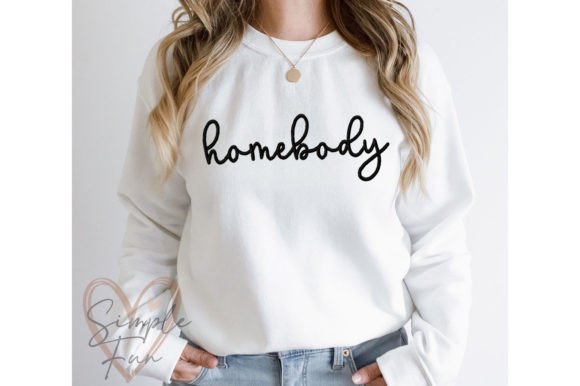
The term "homebody" immediately evokes feelings of comfort, warmth, and introverted joy. In the current market, this vibe is incredibly strong. Upon reviewing the design, it feels less like a loud statement and more like a soft, welcoming hug. It strikes a balance between modern minimalism and rustic charm, making it versatile enough for various demographics. For a small shop product, this emotional connection is vital. Customers at craft fairs are often looking for items that reflect their identity, and this design speaks directly to those who prioritize cozy nights in over busy social calendars.
From a visual standpoint, the design appears clean and legible. This is crucial because craft fair shoppers scan tables quickly. If a design is too intricate or cluttered, it gets lost. Homebody Embroidery seems to offer clear lines that remain readable even from a few feet away, which is essential for catching a browser’s eye as they walk past your display.
Versatility Across Product Categories
One of the strongest assets of this digital embroidery file is its adaptability. The description suggests it is perfect for sweaters, bags, towels, and hats. Let’s break down where it truly shines in a production environment.
- Tote Bag Design: Canvas totes are a staple for any embroidery business. Placing this design centrally on a natural cotton tote creates an instant bestseller. The contrast of dark thread against light canvas makes the text pop, creating a premium look with minimal effort.
- Apron Embroidery: Kitchen aprons are trending heavily in the handmade market. Embroidering this design on the bib or lower corner adds a personalized touch that elevates a simple utility item into a giftable keepsake.
- Tea Towel Embroidery: Textured linens can be tricky, but if the stitch density is managed well, this design adds significant value to plain kitchen towels. It transforms a $5 item into a $20 artisan product.
- Caps and Hats: Curved surfaces are challenging. If the design is not too wide, it works beautifully on dad hats or beanies. However, you must ensure the design fits within the standard cap frame limits.
- Embroidered Patch: While the description notes this is not an iron-on or patch by default, many designers create finished patches using this file. If you choose to hoop stabilizer alone and cut around the design, it becomes a versatile add-on for jackets and backpacks.
Production Practicality for Batch Selling
For those of us running a business, time is money. A design that looks great but takes three hours to stitch is not viable for a craft fair inventory. Homebody Embroidery appears to be designed for efficiency. When evaluating any embroidery file for commercial use, I always check the stitch count and density. While specific technical details like exact stitch counts are not provided in the basic description, the visual simplicity suggests it is optimized for speed.
This efficiency allows for batch production. You can hoop multiple tote bags or aprons in advance and run them through your machine while you handle other tasks. This repeatability is key to maintaining consistent stock for your Etsy seller profile or weekend booth. Furthermore, because the design is likely not overly dense, it reduces the risk of fabric puckering, which means less time spent trimming backing and steaming out wrinkles.
Technical Considerations and Careful Use
Even the best designs have limitations. As a professional, I must highlight areas where caution is needed to ensure your finished product maintains high quality.
- Fabric Texture: Thick, textured towels can swallow small stitches. If you are stitching on waffle weave or terry cloth, ensure the design elements are bold enough to remain visible. Test on scrap fabric first.
- Thread Contrast: On dark fabrics, standard black thread will disappear. You must use high-contrast thread colors, such as cream, gold, or bright white, to ensure the word "Homebody" remains legible.
- Stabilizer Choice: Always use the right stabilizer. For stretchy fabrics like sweater knits, a cut-away stabilizer is non-negotiable to prevent distortion. For woven totes, a tear-away may suffice, but hooping firmly is critical.
- Hoop Size: Confirm the hoop size required before purchasing. Ensure your machine can accommodate the necessary frame, especially if you plan to place the design on larger items like pillow covers or market bags.
Enhancing Visual Appeal and Brand Consistency
Incorporating Homebody Embroidery into your lineup does more than just add a product; it strengthens your brand narrative. It signals to customers that your shop understands lifestyle trends. When displayed alongside complementary items like candles or journals, it creates a cohesive "cozy home" vignette that encourages higher engagement and longer browsing times at your booth.
For online listings, this design photographs exceptionally well. It lends itself to flat-lay styling with warm lighting, wood textures, and soft blankets. Creating a printable mockup or digital asset for your listing preview can help customers visualize the final result, increasing conversion rates for your commercial embroidery offerings.
Final Verdict for Creative Entrepreneurs
Before you commit to full-scale production, take these practical steps. First, always test the design on the specific fabric you intend to sell. Check thread tension and spacing. Second, verify the commercial licensing terms included with the design assets. Since this is a digital file, understanding whether you can sell unlimited finished products is crucial for your business model.
Homebody Embroidery represents a smart investment for crafters looking to expand their Clothing and home goods categories. It is simple enough for beginners yet polished enough for seasoned pros. By focusing on high-quality materials and precise stitching, you can turn this single machine embroidery design into a cornerstone of your handmade empire. Whether you are selling at a local fair or shipping globally via Etsy, this design offers the perfect blend of sentiment and style that today’s buyers crave.