Review: Basketball Ball Embroidery for Real Projects
As a designer who spends half my life staring at stitch maps and the other half untangling thread from bobbin cases, I have learned to be skeptical of "simple" designs. Simplicity in machine embroidery is often a trap. It can mean lazy digitizing, poor pathing, or a lack of visual weight that leaves a finished product looking cheap. However, when I pulled up the Basketball Ball Embroidery file to test it for an upcoming client project, my initial skepticism quickly turned into practical appreciation. This isn’t just a generic clipart conversion; it is a thoughtful piece of digital embroidery that understands the limitations and strengths of the hoop.
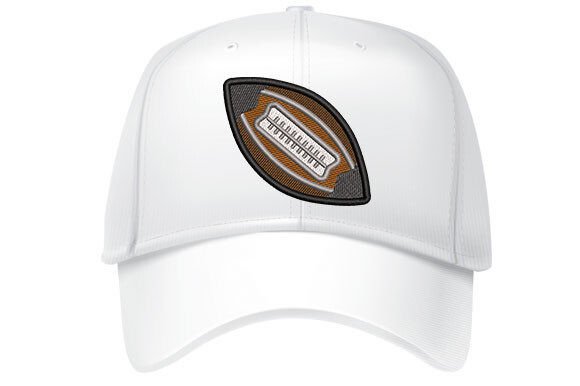
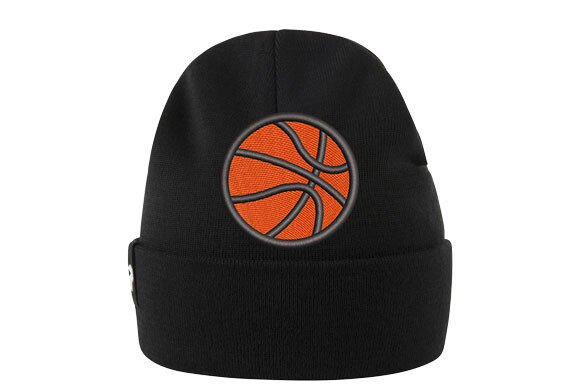
I was preparing a batch of custom tote bags for a local youth sports league. The client wanted something bold, recognizable, and durable enough to withstand being thrown into the back of a minivan weekly. They didn’t want intricate shading or complex gradients that would require high-end thread work. They wanted impact. This is where Basketball Ball Embroidery shines. It captures the iconic silhouette and seam lines of the ball without overcomplicating the stitch count, making it an ideal candidate for both rapid production and high-visibility wear.
First Impressions and Visual Personality
The first thing you notice about this design is its clarity. In a world of overly detailed applique design files that require precise fabric cutting and extensive trimming, this design relies on strong line work and solid fills. The mood it creates is energetic yet clean. It feels modern, not dated. For an Etsy seller or a small shop product creator, this visual personality is crucial. It reads well from a distance, which is essential for items like backpacks, gym bags, or the back of a sweatshirt embroidery piece.
The layout is balanced, ensuring that the visual weight is distributed evenly. This prevents the fabric from puckering excessively, a common issue with dense, one-sided designs. When I viewed it in my digitizing software, the pathing looked logical, minimizing unnecessary jumps and trims. This efficiency translates directly to faster run times on the machine, which is a significant factor for anyone running a craft business where time is money.
Performance in Real-Life Applications
I tested this machine embroidery design on several different substrates to gauge its versatility. On a heavy cotton canvas tote, the design popped beautifully. The fill stitch areas provided enough coverage to obscure the weave of the fabric, while the outline stitches defined the shape sharply. For custom apparel, such as a polyester blend jersey or a cotton tee, the design held its integrity without feeling too stiff. This is a critical distinction. Many basketball-themed designs use such dense stitching that they turn a soft t-shirt into a cardboard shield. This design avoids that pitfall.
For those interested in baby embroidery or nursery decor, this design works well on bibs or burp cloths, provided you scale it appropriately. The simple shapes are easy for small eyes to recognize, and the lack of tiny, fragile details means it can survive the wash cycle. I also experimented with it as an embroidered patch. Because the edges are clean and the internal details are robust, it cuts cleanly and looks professional even when hot-torn or laser-cut. This makes it a strong asset for creating merchandise for boutique branding or team uniforms.
Navigating Fabric and Hoop Constraints
While the design is versatile, it is not without its constraints. You must consider your hoop size carefully. If you are working with a 4x4 inch hoop, you may need to reduce the design significantly, which could cause the seam lines to merge if the stitch density is not adjusted. Always check the specific dimensions provided in the embroidery file package before loading it onto your machine. Since this product comes with multiple file formats, ensure you are using the version optimized for your specific machine brand to avoid read errors.
Fabric choice matters immensely here. On dark fabrics, the standard orange thread might not provide enough contrast if the lighting is poor. I recommend testing a high-contrast thread color, such as bright yellow or white, for the seam lines if you are stitching on navy or black fabric texture. Conversely, on light fabrics, a deep brown or black outline can add definition. Always use a proper stabilizer. For stretchy fabrics like jersey knits used in custom apparel, a cut-away stabilizer is non-negotiable to prevent distortion after washing. For woven totes, a tear-away might suffice, but I prefer cut-away for durability in high-use items.
Commercial Viability and Brand Trust
For digital product sellers and commercial embroidery professionals, the value of this design lies in its reliability. Customers trust products that look professionally made. A sloppy, pixelated, or poorly stitched design erodes that trust instantly. Basketball Ball Embroidery offers a level of polish that enhances the perceived value of the finished product. Whether you are selling holiday embroidery gifts for the sports fan in the family or creating branded merchandise for a local league, the consistency of this design helps build brand recognition.
It is important to note that while this is listed under Freebies, you must verify the license terms before using it for commercial sales. Some free files are for personal use only, while others allow for limited commercial application. Always read the included documentation. Assuming the license permits, this design is a low-risk, high-reward addition to your library of design assets. It serves as an excellent base for customization. You can easily add names, numbers, or team logos around it, turning a simple icon into a personalized centerpiece.
Practical Designer Notes for Best Results
Before you commit to a full production run, follow these steps to ensure quality:
- Test on Scrap Fabric: Never stitch directly on your final garment. Use a scrap piece of the same material and weight to check tension and registration.
- Check Thread Contrast: View your design in black and white on your computer screen. If the details disappear, you need to adjust your thread colors for better visibility.
- Inspect Small Details: Zoom in on the digitizing preview. Look for any potential jump stitches that might need manual trimming or editing.
- Confirm Hoop Compatibility: Ensure the design fits within your available hoop size with enough margin for the frame clamps.
- Verify Licensing: Double-check the usage rights associated with this digital embroidery file to ensure compliance for your small shop product listings.
In conclusion, Basketball Ball Embroidery is a solid, dependable tool for any embroiderer’s toolkit. It respects the medium, understands the material, and delivers a clean, professional result that satisfies both the maker and the end customer. It is not trying to be everything to everyone; it is trying to be a great basketball emblem, and in that goal, it succeeds admirably.