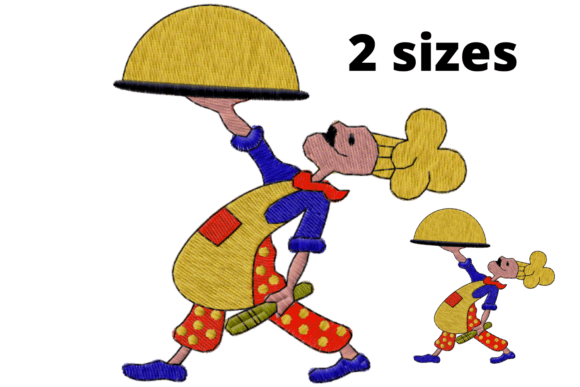
Reviewing Cooking Embroidery Design for Brand Merch
As an embroidery designer who has spent years digitizing files and consulting with small business owners, I approach every new machine embroidery design with a critical eye. It is not just about whether a motif looks cute on a screen; it is about how that design translates to fabric, how it holds up in the wash, and most importantly, how it serves the brand identity of the client using it. Recently, I evaluated the Cooking Embroidery Design, a file marketed toward kitchen enthusiasts and culinary professionals. My goal was to determine if this asset is merely decorative or if it holds genuine value for commercial embroidery projects, branded patches, and small business merch.
First Impressions: Visual Personality and Market Fit
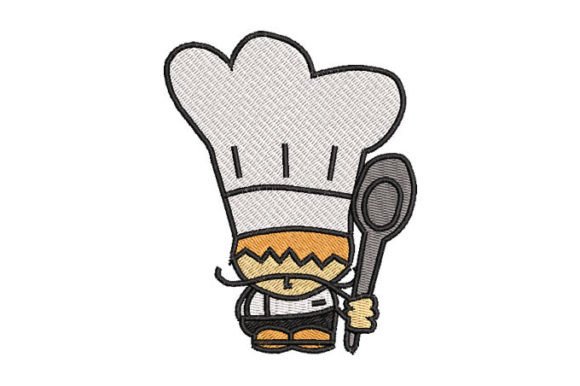
The initial preview of the Cooking Embroidery Design suggests a blend of warmth and professionalism. The description highlights "great stitches in great colors," which immediately signals that color theory plays a significant role in its appeal. For businesses in the culinary sector—such as boutique bakeries, local cafés, or artisanal food brands—visual warmth is crucial. This design does not feel cold or industrial; instead, it carries a friendly, inviting aesthetic that aligns well with the concept of "Cooking Time."
From a design perspective, the balance between detail and simplicity appears well-managed. A common pitfall in digital embroidery files is over-complication, where too many micro-details get lost in the thread. However, this design seems to prioritize a "beautiful view" through clear lines and distinct shapes. For an embroidery shop owner, this means fewer thread breaks and a cleaner finished product. The style feels versatile enough to be rustic for a farm-to-table restaurant or modern and clean for a contemporary cooking school.
Commercial Applications for Small Businesses
The true test of any digital embroidery file is its versatility across different substrates. I analyzed how the Cooking Embroidery Design would perform in real-world business scenarios. Here is where this asset shines:
- Staff Uniforms and Aprons: This is perhaps the most obvious application. An embroidered apron serves as a walking billboard for a culinary brand. The design’s structure suggests it would sit well on the chest pocket or the upper back of an apron, providing a professional touch that elevates staff presentation.
- Embroidered Patches: For brands that want flexibility, turning this design into a sew-on or iron-on patch is a smart move. It allows customers to buy merchandise without worrying about sizing issues. A patch can be applied to denim jackets, canvas bags, or even laptop sleeves, extending the brand’s reach beyond the kitchen.
- Tote Bag Design: Eco-friendly tote bags are a staple for grocery stores and farmers' markets. Placing this design centrally on a canvas tote creates a high-value item that customers are likely to reuse, increasing brand visibility in public spaces.
- Cap Embroidery: While caps present challenges due to their curved surface, a simplified version or a smaller scale of this design could work effectively on the front panel or the side of a baseball cap, offering a subtle nod to the brand’s culinary focus.
Technical Considerations and Production Notes
While the aesthetic appeal is strong, technical execution is where many projects fail. As a designer, I must advise caution regarding specific production variables. The description mentions "great stitches," but stitch density is a critical factor. If the design is too dense, it can cause puckering, especially on lighter fabrics like cotton tea towels or thin apron materials. Conversely, if the density is too low, the underlying fabric may show through, compromising the professional look.
Before running a full production batch, I recommend the following steps for any embroidery shop or DIY crafter:
- Test on Real Fabric: Never rely solely on a printable mockup. Stitch out the design on the exact fabric weight you intend to use. If you are making custom apparel for a restaurant, test on the specific uniform material.
- Check Stabilizer Compatibility: The choice of stabilizer can make or break the outcome. For stretchy fabrics or items that will undergo frequent washing, a cut-away stabilizer might be necessary to maintain shape, whereas tear-away may suffice for sturdy canvas tote bags.
- Verify Hoop Size: Ensure the design fits within your machine’s hoop capabilities. If the design is large, you may need to split it or use a larger hoop, which affects registration and alignment.
- Thread Color Contrast: The "great colors" mentioned in the product description must be tested against your base fabric. On dark uniforms, you may need to adjust thread shades or add an underlay to ensure the design pops without looking muddy.
Brand Identity and Customer Trust
Why does this matter for a small business? Because consistency builds trust. When a customer sees the same high-quality Cooking Embroidery Design on a chef’s apron, a reusable bag, and a promotional towel, it reinforces brand recognition. It signals attention to detail and professionalism. In the handmade product market, such as Etsy shops selling culinary kits, this level of polish distinguishes a hobbyist from a serious brand.
Moreover, the tactile nature of embroidery adds perceived value. Unlike printed logos, embroidered designs have texture and depth. This sensory experience can enhance customer engagement, making the merchandise feel premium and durable. For event merch or customer gifts, this tangible quality often leads to higher retention rates and social media sharing, as people love to showcase well-crafted items.
Where to Use Caution
Despite its strengths, this design may not be suitable for every application. Small patch sizes require careful scrutiny. If the design includes fine lettering or intricate outlines, these details may merge together when scaled down below two inches. Always check the smallest viable size before committing to production. Additionally, textured fabrics like terry cloth towels can obscure detailed stitching. In such cases, simplifying the design or increasing the stitch length might be necessary to maintain clarity.
It is also vital to confirm commercial licensing. Not all design assets come with rights for mass production. Before using this file for client work or selling finished products, review the license terms provided by the creator. If the terms are unclear, contact the designer directly. Protecting your business from intellectual property issues is as important as the quality of the stitch itself.
Final Verdict for Designers and Makers
The Cooking Embroidery Design offers a compelling option for those in the culinary and lifestyle sectors. Its potential for use in commercial embroidery is high, provided that technical best practices are followed. By treating this file as a strategic brand asset rather than just a decorative element, small business owners can create cohesive, professional merchandise that resonates with their audience. Whether used for staff uniforms, promotional totes, or branded patches, this design has the capacity to elevate the visual identity of any kitchen-focused brand. Remember to test thoroughly, respect the material constraints, and always prioritize the end-user experience in your final product.