Review: Chef with a Spoon Embroidery Design
As someone who has spent years digitizing patterns and testing thousands of machine embroidery design files, I have learned to look past the initial thumbnail appeal. We all know that cute graphics sell, but the real test is how they perform under the needle. Recently, I pulled up the Chef with a Spoon Embroidery Design to evaluate its potential for a batch of custom kitchen linens I was producing for a local boutique. What started as a quick glance turned into a thorough assessment of its viability for both personal projects and commercial craft business applications.
First Impressions and Visual Personality
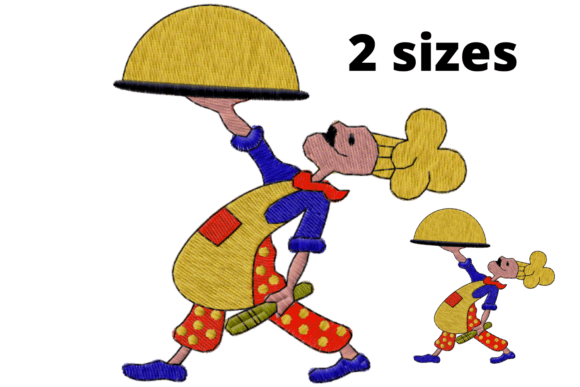
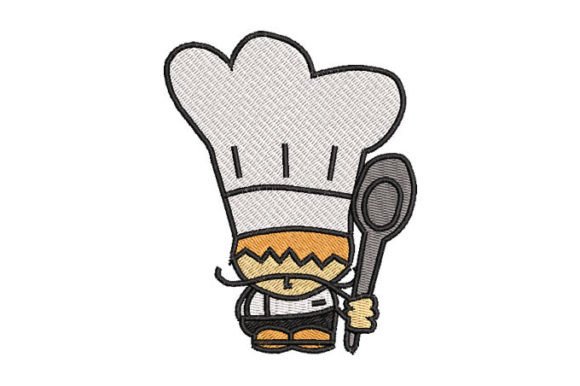
The immediate mood this design creates is warm, approachable, and slightly whimsical. It captures the essence of home cooking without feeling overly cartoonish or childish. The layout features a chef character holding a spoon, which serves as a strong focal point. For an embroidery project intended for adult users, this balance is crucial. It needs to be fun enough to spark joy but refined enough to look professional on a high-quality apron or towel.
The visual personality suggests versatility. It does not scream "novelty gift" in a cheap way; instead, it feels like a charming accent for someone who takes pride in their culinary skills. When I zoomed in on the preview, I looked specifically at the transition between shapes. The lines appeared clean, suggesting that the digitizer paid attention to pathing, which is essential for minimizing thread breaks and jumps during stitching.
Real-World Application: The Apron Test
To truly understand the value of this digital embroidery file, I imagined it stitched onto a heavy-duty canvas apron. This is a common request for Etsy sellers and small shop owners during the holiday season. The design’s proportions seemed well-suited for a standard pocket placement or a central chest emblem.
In this scenario, the spoon element acts as a natural extension of the theme, reinforcing the Kitchen category context. If you are creating a personalized gift for a family member who loves to cook, this design offers a narrative element. It tells a story of warmth and hospitality. I could easily see this working on a set of matching tea towels, where the repeated motif creates a cohesive look for a housewarming present.
Performance on Different Fabrics
One of the critical aspects of reviewing any embroidery file is considering fabric interaction. For this design, I anticipate excellent results on medium-weight cottons and linen blends. These materials provide the stability needed for the details to remain crisp. However, caution is advised when moving to textured fabrics like terry cloth for bath towels or thick fleece for sweatshirts.
On textured surfaces, smaller details can get lost. If you plan to use this on a tote bag design made from rough canvas, ensure your needle is sharp and your tension is adjusted. For sweatshirt embroidery, the stretch of the fabric requires a robust cut-away stabilizer to prevent puckering around the denser areas of the chef’s hat or uniform. The design likely utilizes a mix of fill stitch for larger areas and satin stitch for outlines, which means density management is key.
Technical Considerations for Stitchers
Before loading this into your machine, there are several practical steps every designer should take. First, always check the recommended hoop size. While the design may fit in a 4x4 hoop, giving it more space in a 5x7 or 6x10 hoop can improve stability and allow for better placement options on larger garments.
Second, review the stitch density. High-density areas can cause fabric distortion, especially on thin materials like silk or lightweight polyester. If you are stitching on a dark fabric, consider using a lighter thread color for the background elements to ensure the chef stands out. Contrast is vital for visual clarity. A running stitch outline might be used for finer details, so ensure your machine is calibrated to handle these delicate paths without skipping.
I also recommend testing the design on scrap fabric first. This allows you to inspect small details and confirm that the thread colors you have chosen match the intended aesthetic. Sometimes, a color that looks vibrant on screen appears muted once stitched. Creating a printable mockup or a digital preview can help, but nothing replaces a physical test stitch.
Commercial Viability and Brand Consistency
For commercial embroidery professionals, consistency is everything. This design offers a level of professionalism that enhances brand trust. When customers receive a finished product that looks neat and well-executed, they are more likely to return. The Chef with a Spoon Embroidery Design fits well into a broader collection of culinary-themed items. It can be paired with other kitchen motifs to create a cohesive line of small shop product offerings.
However, always verify the licensing terms. Just because a file is purchased does not automatically grant rights for mass production. Check whether the designer allows for unlimited sales of finished items or if there are restrictions. This is crucial for maintaining ethical standards in the design assets community. If you are selling custom apparel or embroidered patch items, ensure your usage aligns with the creator’s policy.
Avoiding Common Pitfalls
There are specific scenarios where this design might struggle. Avoid using it on highly stretchy fabrics without proper stabilization, as the shape of the spoon could distort. Be cautious with very small hoop sizes if the design includes tiny text or intricate facial features, as these may not stitch out cleanly. Additionally, if you are working on curved surfaces like caps, the placement must be precise to avoid wrapping issues.
For baby embroidery projects, ensure that all threads are secure and that no loose ends remain, as safety is paramount. While the design is cute, it must meet the durability standards required for items that will be washed frequently. Use high-quality polyester or rayon threads that resist fading and bleeding.
Final Verdict for Makers
The Chef with a Spoon Embroidery Design is a solid addition to any designer’s library. It balances charm with technical feasibility, making it suitable for a wide range of handmade product categories. Whether you are creating holiday embroidery gifts, stocking your Etsy seller store, or making personalized items for friends, this design offers flexibility and appeal.
Remember to respect the craft by testing thoroughly, choosing appropriate materials, and honoring licensing agreements. When executed with care, this design can elevate a simple piece of fabric into a cherished keepsake. It is a reminder that good Embroidery is not just about the machine, but about the thoughtful choices we make as creators.