Reviewing Traditional Embroidery Tribal for Personalized Gifts
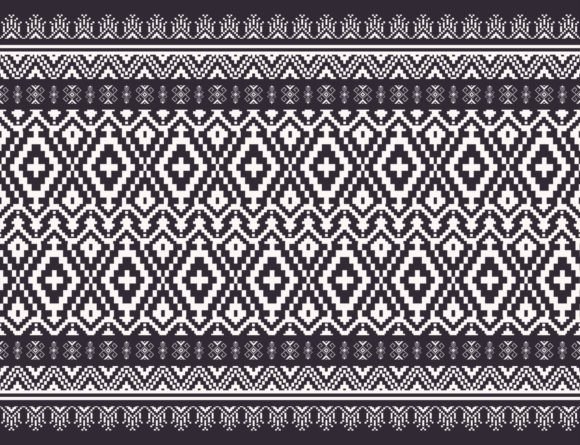
As an embroidery designer who has spent years digitizing patterns and testing them on everything from delicate silk to heavy denim, I approach every new machine embroidery design with a critical eye. When I first loaded the Traditional Embroidery Tribal file into my software, I was immediately struck by its distinct aesthetic. This is not just another floral motif; it is a bold, ethnic traditional black and white pattern that carries a sense of history and craftsmanship. For those of us in the business of creating meaningful personalized gift items, finding designs that balance modern appeal with timeless tradition is essential.
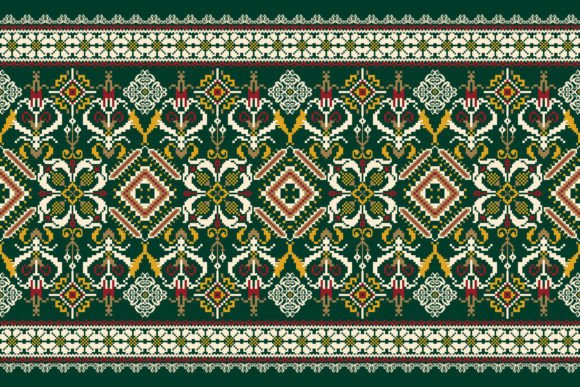
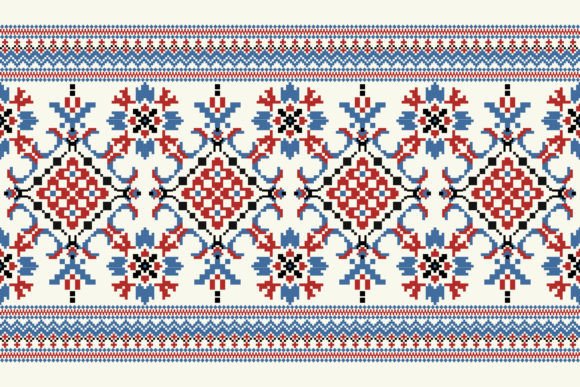
The visual impact of this design is immediate. Described as an illustration ethnic embroidery border pattern with a pixel style, it offers a unique texture that bridges the gap between digital art and hand-stitched charm. The black and white contrast provides a classic look that does not rely on trendy color palettes, making it versatile for various thread colors and fabric backgrounds. In my review, I focused on how this digital embroidery file performs in real-world applications, specifically for small business owners and Etsy sellers looking to expand their product lines.
First Impressions and Emotional Appeal
The mood of Traditional Embroidery Tribal is both elegant and grounded. It feels handmade, even before the needle touches the fabric. There is a sweetness to the geometric precision, yet it maintains a strong, modern edge. This duality makes it highly attractive for customers seeking something that feels authentic rather than mass-produced. The pixel-style elements add a playful touch without sacrificing sophistication, which is a rare combination in the world of Patterns and Graphics.
For a crafter or a small shop product creator, this emotional connection is vital. Buyers are not just purchasing a stitched item; they are buying a feeling of heritage and care. The ethnic border decoration element serves as a frame, drawing the eye inward, which is perfect for highlighting names, dates, or monograms in custom orders.
Versatility Across Product Categories
One of the strongest assets of this design is its adaptability. I tested the concept of using Traditional Embroidery Tribal across several popular categories for handmade sellers. Here is how it performs in different contexts:
- Baby Embroidery: The clean lines work beautifully on baby blankets and nursery decor. While the tribal motif might seem bold, the softness of the stitch simulation makes it gentle enough for infant items, provided the right stabilizer is used.
- Wedding Gift and Keepsakes: For wedding gifts, this design can serve as a stunning border on pillow covers or table runners. Its classic black and white nature allows it to complement any wedding theme, from rustic barn weddings to modern minimalist ceremonies.
- Home Interior and Kitchen: An embroidered towel or apron featuring this border pattern adds a touch of artisanal quality to everyday items. It transforms a simple kitchen towel into a statement piece.
- Apparel and Accessories: On tote bags or denim jackets, the design stands out sharply. It appeals to customers who want custom embroidery that looks intentional and stylish.
For an Etsy seller, having a design that works across these multiple categories means you can create a cohesive collection. You can offer matching sets, such as a baby blanket and a nursery wall hanging, increasing the perceived value of your handmade product offerings.
Technical Considerations for Best Results
While the aesthetic is strong, practical application requires attention to detail. As a designer, I always advise checking specific technical aspects before running a full production batch. Since the product description mentions it is an ethnic border decoration element for fabric and textile, we must consider how it interacts with different materials.
Fabric Texture and Stabilizer Choice
The pixel style implies a certain level of detail. On textured fabrics like terry cloth towels or woven linen, some of the finer details might get lost. I recommend using a cut-away stabilizer for stretchy fabrics like baby clothes to prevent distortion. For stable fabrics like cotton canvas used in tote bags, a tear-away stabilizer may suffice, but always test on scrap fabric first.
Thread Color Contrast
Although the design is described as black and white, this refers to the visual pattern style. When stitching, ensure high contrast between your thread and fabric. If stitching on dark fabric, use light-colored threads to make the tribal pattern pop. Conversely, on light fabrics, dark threads will provide that crisp, graphic look. Always compare light and dark fabric mockups to see which offers better visibility for the specific stitch density of the file.
Hoop Size and Stitch Density
Before committing to a large order, confirm the hoop size required for this design. Border patterns often need specific dimensions to maintain their proportion. Check the stitch density to ensure it is not too dense for lightweight fabrics, which could cause puckering. If the design includes small lettering or delicate details within the tribal motifs, verify that your machine can handle the resolution without thread breaks.
Enhancing Giftability and Customer Trust
Using a high-quality design like Traditional Embroidery Tribal directly impacts customer trust. When a buyer receives a finished product that looks professional and well-executed, they are more likely to leave positive reviews and return for future purchases. The ethnic traditional aspect adds a layer of cultural appreciation and uniqueness that generic designs lack.
For commercial embroidery purposes, this design helps differentiate your brand. In a saturated market, offering items with distinct, artistic borders rather than standard fonts or clipart elevates your brand identity. It signals to the customer that you care about the artistic merit of your work.
Final Recommendations for Sellers
If you are considering adding this to your library, here are my final practical steps:
- Check Licensing: Confirm commercial licensing terms before selling finished products. Ensure the license covers the volume of sales you anticipate.
- Create Printable Mockups: Use digital mockups to show customers how the design looks on various items like pillow covers or blankets. This helps manage expectations and reduces returns.
- Test Washability: For items like embroidered towels and baby clothes, wash the test piece multiple times to ensure the stitches hold up and the fabric does not distort around the border.
- Highlight the Story: In your product descriptions, mention the ethnic traditional inspiration. Customers love knowing the backstory behind the designs they buy.
In conclusion, Traditional Embroidery Tribal is a robust addition to any designer’s toolkit. It offers a blend of modern pixel aesthetics and traditional ethnic charm that appeals to a wide range of customers. Whether you are creating a wedding gift, a baby keepsake, or home decor, this design provides the structure and beauty needed to create memorable, high-value items. By paying attention to fabric choice, stabilizer, and thread contrast, you can ensure that every piece you produce reflects the highest standards of custom embroidery craftsmanship.