Reviewing the Embroidery Dragonfly Tumbler Sublimation Design
As a designer who spends half my day digitizing and the other half stitching, I have learned to look past the glossy preview images. When I first encountered the Embroidery Dragonfly Tumbler Sublimation, my initial reaction was one of cautious curiosity. The title suggests a hybrid workflow, blending sublimation graphics with embroidery aesthetics, which is a trend I see gaining traction among Etsy sellers and boutique owners looking for unique texture combinations. However, before I could recommend this for a client project, I needed to understand how it translates from a digital concept to a tangible finished product.
First Impressions and Visual Personality
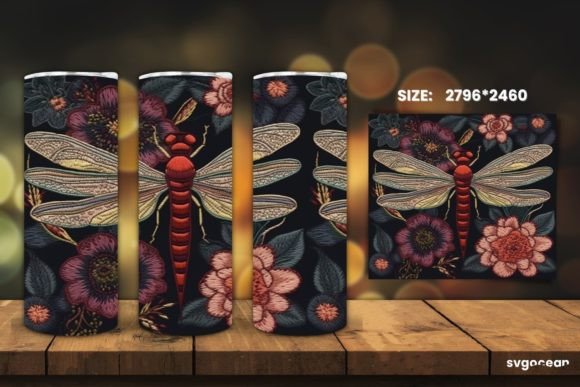
The design centers on a dragonfly motif, a classic choice in the world of Crafts due to its association with nature, transformation, and delicate beauty. What stands out immediately is the intended interplay between the printed sublimation background and the embroidered overlay. In many modern embroidery projects, designers are moving away from full-coverage stitching in favor of mixed media. This approach allows for vibrant colors via sublimation while using thread to add tactile depth.
The mood here is whimsical yet refined. It does not scream for attention with aggressive saturation but rather invites a closer look. For a handmade product, this subtlety is often what converts a browser into a buyer. The layout appears balanced, avoiding the cluttered feel that plagues many amateur design assets. However, because the provided description mentions a PNG file at 300 DPI rather than a traditional vector or stitch file, we must approach this as a graphic resource intended for sublimation printing, potentially with embroidery elements added separately or used as a reference for digitizing.
Real-World Application: The Custom Tote Scenario
To test the viability of this concept, I imagined a real-life scenario: creating a line of eco-friendly tote bags for a local botanical garden gift shop. The goal was to produce a personalized gift item that felt premium but remained cost-effective. Using the Embroidery Dragonfly Tumbler Sublimation graphic as the base, I would sublimate the dragonfly image onto a polyester-blend canvas. Then, I would digitize a simple outline or satin stitch accent to overlay key parts of the wings.
In this context, the design performs well because it reduces machine time. Full-coverage embroidery on a large surface like a tote bag can take hours and consume significant thread. By using the sublimated graphic for the color and detail, and limiting the machine embroidery design to strategic accents, you maintain high visual appeal without the heavy production cost. This is a crucial consideration for any craft business owner managing margins.
Material Considerations and Stitching Clarity
One must be realistic about fabric choices. Sublimation requires synthetic fibers, typically polyester, to bond the ink properly. This limits your custom apparel options compared to pure cotton embroidery. If you are planning a sweatshirt embroidery project, ensure the garment has a high polyester content or use a sublimation-friendly transfer paper for cotton blends, though the latter may lack vibrancy.
When adding actual stitching over a sublimated print, stitch density becomes critical. Too dense, and you obscure the beautiful print underneath; too sparse, and the thread may not anchor securely or look intentional. I recommend using a combination of running stitch for outlines and light fill stitch areas to complement rather than compete with the graphic. Always test on scrap fabric first. Check how the thread colors contrast against the printed background. A dark thread on a dark sublimated area will vanish, ruining the effect.
Where to Use Caution
While versatile, this design approach has limitations. It is not suitable for baby embroidery items where softness is paramount, as the sublimation process can sometimes stiffen the fabric slightly, and added stitching increases bulk. Additionally, avoid using this on highly textured fabrics like terry cloth or heavy wool, as the sublimation print will appear blurry and the embroidery may sink into the pile.
For curved surfaces like caps, alignment is tricky. Sublimating a flat graphic and then trying to embroider over it on a curved hoop size requires precise positioning. Misalignment here looks unprofessional and can damage the perceived value of your small shop product. Also, be wary of washability. While sublimation is durable, the combination of printed ink and thread must withstand frequent washing without fading or fraying. Always advise customers on proper care, especially for holiday embroidery gifts that might be tossed in the wash after a festive season.
Enhancing Brand Consistency and Value
For digital product sellers and apparel decorators, consistency is key. Using a cohesive theme like the dragonfly across various products—tote bag design, aprons, and pillow covers—builds brand recognition. The Embroidery Dragonfly Tumbler Sublimation graphic can serve as a central asset in your printable mockup portfolio, helping customers visualize the final item before purchase. This visual clarity builds trust and reduces return rates.
Moreover, the perceived value of a mixed-media item is often higher than a standard printed or stitched item alone. Customers appreciate the effort and creativity involved in combining techniques. It signals that the creator is an experienced artisan, not just someone running a basic template. This professionalism enhances buyer engagement and can justify a higher price point for your commercial embroidery offerings.
Practical Designer Notes
Before integrating this into your workflow, keep these practical tips in mind:
- Verify File Usage: The description notes a PNG file. Ensure you have the rights to use this graphic for commercial purposes if you are selling finished items. Check the license terms carefully.
- Test Stabilizer: When embroidering over sublimated fabric, use a cut-away stabilizer for stretchy materials or a tear-away for stable wovens to prevent puckering.
- Color Matching: Use a thread chart to match your embroidery threads closely to the dominant colors in the sublimation print for a seamless look, or choose contrasting colors for a bold statement.
- Hoop Selection: Choose a hoop size that accommodates the entire design without needing to re-hoop, which can cause alignment issues with the printed graphic.
- Mockup Testing: Create black and white mockups to check the contrast and readability of the design elements before committing to production.
In conclusion, the Embroidery Dragonfly Tumbler Sublimation offers a creative avenue for designers willing to experiment with mixed media. It is not a plug-and-play solution for every project, but for the right application—such as polyester-based home decor or accessories—it can elevate a simple item into a standout piece. By understanding the technical constraints and leveraging the visual strengths of both sublimation and embroidery, you can create products that resonate with customers seeking quality and uniqueness in their handmade product selections.