Reviewing Rose Gold Embroidery Sequin Fabric Paper
As a designer who spends half my life staring at digitized files and the other half pulling thread through fabric, I have learned that not every digital embroidery file translates well to physical reality. We often get swept up in the preview images, forgetting that a design must survive the tension of the hoop, the texture of the fabric, and the scrutiny of a paying customer. Recently, I evaluated the Rose Gold Embroidery Sequin Fabric Paper from Anemona Estudio, and I want to share my practical thoughts on how this asset performs in real-world scenarios.
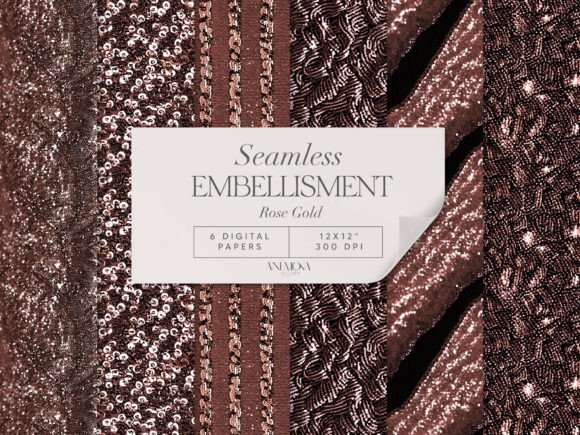
This is not just another generic pattern. It is a collection of six luxury digital papers, rendered in high-resolution JPG format at 300 dpi. While these are technically Graphics and Patterns intended for illustration, their application in the embroidery world is nuanced. Let us break down how this specific aesthetic influences our craft.
The First Impression: Mood and Visual Personality
When I first opened the files, the immediate sensation was one of understated luxury. The rose gold tone is tricky; it can easily veer into cheap pink or muddy bronze if not handled correctly. However, the sequin effect captured in these images provides a shimmering depth that mimics light reflecting off metallic thread. For an embroidery designer, this is invaluable for mockups. It allows you to visualize how a finished product might look before you even thread your needle.
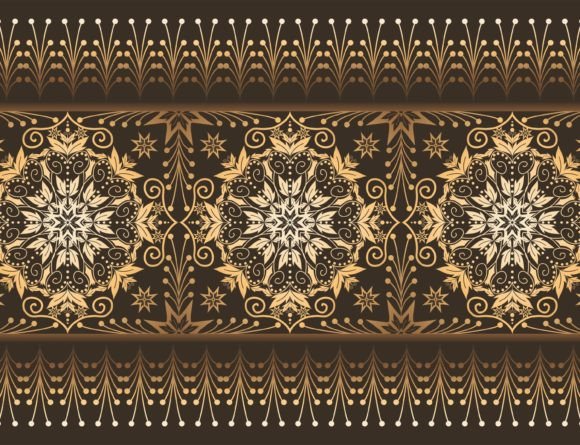
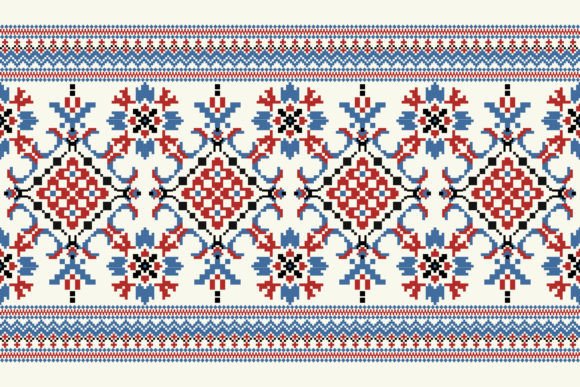
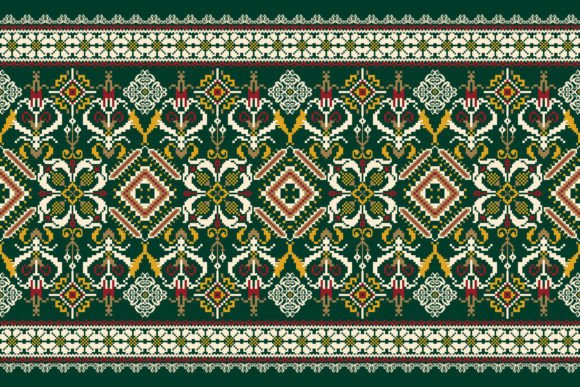
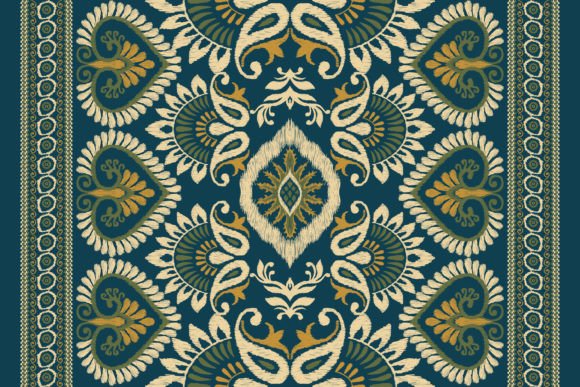
The layout is seamless, which means the repeat is invisible to the naked eye. This is crucial for creating consistent branding assets or background textures for your online shop. The detail level is high enough to show individual "sequins," giving the impression of dense, textured stitching. This visual personality suggests elegance, making it a natural fit for wedding gifts, boutique branding, and high-end personalized products.
Real-World Application: From Screen to Stitch
I recently worked on a custom order for a bridal party tote bag set. The client wanted something that felt expensive but remained durable. While the Rose Gold Embroidery Sequin Fabric Paper itself is a digital image, I used it as the primary reference for the color palette and texture inspiration. I translated the visual cues from the graphic into a combination of metallic polyester thread and a satin stitch fill.
This is where understanding the difference between a printable mockup and a machine embroidery design becomes critical. You cannot simply print this paper onto fabric and expect it to behave like embroidery. However, using these design assets helps you plan your thread colors and stitch density. If the graphic shows heavy coverage, you know you need a robust stabilizer. If it shows sparse, glittering points, you might opt for a running stitch or scattered applique elements.
For those creating Etsy listings or small shop merchandise, these images are perfect for creating professional-looking previews. A flat photo of a beige sweatshirt does not sell. But a mockup featuring this rose gold sequin texture overlaid on your garment design? That captures attention. It helps customers imagine the finished product, increasing buyer engagement and trust.
Where Caution is Required
While the aesthetic is beautiful, we must be realistic about its limitations in physical production. If you are attempting to replicate this look with actual thread, consider the following constraints:
- Fabric Texture: On textured fabrics like terry cloth or heavy canvas, the fine details of a sequin-like effect may get lost. The fabric texture can interfere with the clarity of small stitches.
- Stretchy Fabric: Using dense fills to mimic the solid look of these graphics on stretchy jersey can cause puckering. Always test your stabilizer choice.
- Dark Fabric: Rose gold is subtle. On black or navy garments, ensure your metallic thread has enough contrast, or consider adding a white underlay to make the design pop.
- Curved Surfaces: Applying this aesthetic to caps or curved hats requires careful digitizing. Large, solid areas of metallic thread can feel stiff and uncomfortable against the forehead.
Additionally, if you are selling commercial embroidery items, remember that frequent washing can degrade metallic threads. Be transparent with your customers about care instructions to maintain the longevity of the handmade product.
Enhancing Brand Consistency and Value
Consistency is key for any craft business. Using the same high-quality Patterns and Graphics across your social media, website, and packaging creates a cohesive brand identity. The Rose Gold Embroidery Sequin Fabric Paper offers a unified look that can tie together your tote bag design, your sweatshirt embroidery previews, and your digital invitations.
When customers see a professional, polished aesthetic, they perceive higher value. This is not just about pretty pictures; it is about signaling professionalism. A well-curated visual presence suggests that your personalized gift or custom apparel will be executed with the same level of care and attention to detail.
Practical Notes for the Designer
Before you commit to a large production run or finalize your digital store assets, keep these practical tips in mind:
- Test on Scrap Fabric: Never skip this step. See how your chosen threads interact with the material.
- Check Contrast: View your design in black and white. If the details disappear, your stitch density or color choice needs adjustment.
- Verify Licensing: While Anemona Estudio provides these as digital papers for illustrations, always confirm if you can use them in commercial design assets for resale. Do not assume a license covers physical product sales unless explicitly stated.
- Hoop Size Matters: Ensure your design fits within your machine’s capabilities. Large, dense designs require larger hoops and more stabilization.
- Mockup Realism: When using these JPGs for previews, blend them realistically with fabric shadows and wrinkles. A flat overlay looks fake; a blended composite looks professional.
In conclusion, the Rose Gold Embroidery Sequin Fabric Paper is a versatile tool for the modern embroidery entrepreneur. It bridges the gap between digital planning and physical creation. By using these high-resolution Graphics wisely, you can elevate your embroidery project presentations, streamline your design process, and create holiday embroidery or baby embroidery items that stand out in a crowded market. Just remember to respect the materials, understand the limitations of thread versus print, and always prioritize the quality of the final finished product.