Review: Vector Embroidery Ethnic Pattern Design
As an embroidery designer who has spent countless weekends behind a craft fair table, I have learned that the difference between a browser and a buyer often comes down to visual impact. When I first loaded the Vector Embroidery Ethnic Pattern Design into my digitizing software, my immediate thought was not just about stitch paths, but about marketability. This is not merely a digital file; it is a potential bestseller for your next handmade market. For Etsy sellers, boutique makers, and creative entrepreneurs, finding the right design assets is half the battle. Let us break down why this specific pattern stands out in a crowded marketplace.
First Impressions: Bold, Timeless, and Versatile
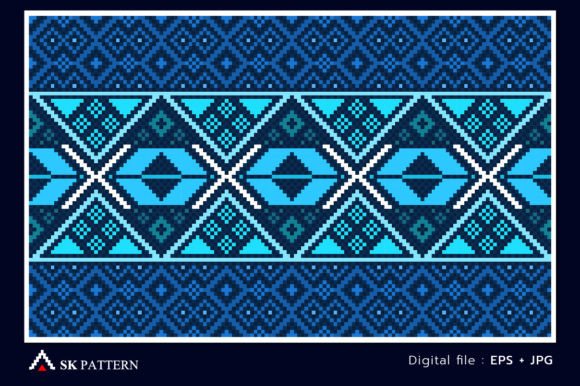
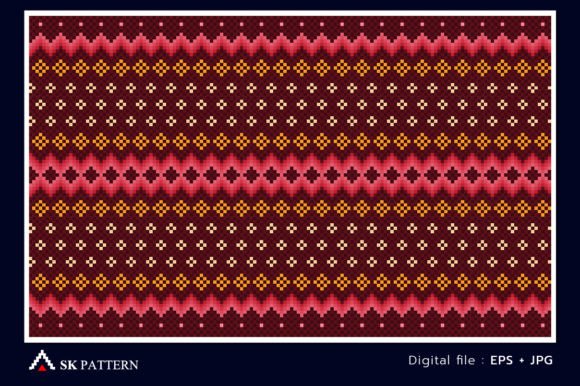
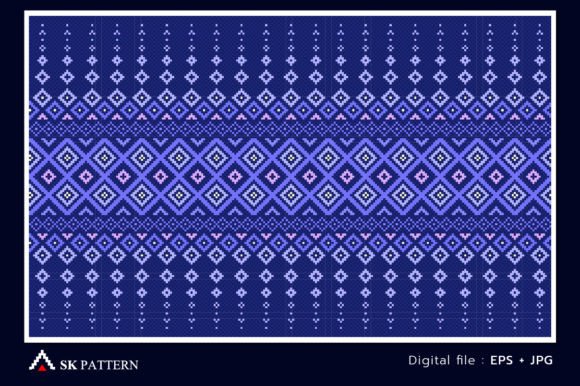
The first thing you notice about the Vector Embroidery Ethnic Pattern Design is its inherent balance. It does not scream for attention with neon chaos, nor does it whisper so quietly that it gets lost on a busy booth table. Instead, it offers a sophisticated, rhythmic aesthetic that feels both rustic and premium. The term "ethnic" here suggests organic motifs, geometric symmetry, and cultural depth, which are currently trending heavily in home decor and fashion.
For a craft fair seller, this mood is crucial. Customers at handmade markets are often looking for items that feel authentic and grounded. This design delivers that feeling. Whether you are aiming for a bohemian vibe or a modern farmhouse look, the pattern adapts. It feels decorative enough for high-end gifts yet approachable enough for everyday use. As a Graphics resource, it provides a strong foundation that allows your thread choices to dictate the final personality of the piece.
Product Applications: Where This Design Shines
The product description highlights versatility, mentioning wall art, floor pillows, throw blankets, tapestries, scarves, cushions, dresses, and skirts. From a production standpoint, I see even more immediate opportunities for small shop products. Here is how I would deploy this machine embroidery design in my own inventory:
- Tote Bags and Market Bags: This is arguably the strongest application. A large-scale version of this pattern centered on a canvas tote creates an instant statement piece. It transforms a basic bag into a tote bag design that customers want to wear as an accessory.
- Aprons and Tea Towels: For kitchen textiles, the pattern works beautifully as a border or a central focal point. Apron embroidery benefits from designs that do not interfere with functionality, and this pattern’s structured nature allows for strategic placement away from high-wear areas.
- Embroidered Patches: If you digitize this as a smaller, dense motif, it becomes a perfect embroidered patch. Patches are low-cost, high-margin items that attract impulse buyers at craft fairs.
- Pillow Covers and Cushions: The description mentions cushions, and rightly so. An all-over pattern or a large central medallion style derived from this vector can elevate a plain linen pillow cover into a luxury home decor item.
Practical Selling and Production Points
When evaluating a digital embroidery file for commercial use, we must look beyond aesthetics to practicality. How does this design perform under the needle? The fact that this is provided as a vector-based concept (EPS file) alongside a JPG means you have control over the scale. However, this freedom requires responsibility.
Visual Clarity at a Glance: In a bustling craft fair, customers scan tables quickly. This design’s strong lines ensure it is understandable from three feet away. It does not rely on tiny, intricate details that blur into a mess from a distance. This makes it ideal for booth samples and display pieces.
Photography and Online Listings: For the Etsy seller, this pattern photographs exceptionally well. The geometric or organic repetition creates natural leading lines in photos, drawing the viewer’s eye to the texture of the stitches. It adds perceived value to your printable mockup previews because it looks intentional and professional.
Batch Production Potential: One of the biggest challenges for handmade business owners is scaling. Because this is a pattern, it can be repeated or scaled without losing its integrity. This makes it easier to standardize your production process, whether you are making ten tote bags or fifty tea towels.
Careful-Use Notes and Technical Considerations
While the design is versatile, there are technical pitfalls to avoid. As an experienced designer, I must advise caution in the following areas:
- Stitch Density: Since you are working from a vector graphic, you will likely be digitizing this yourself or hiring someone to do so. Be mindful of stitch density. If the pattern is too dense, it will cause puckering, especially on lighter fabrics like cotton tea towels. Use a pull-compensating stitch type if possible.
- Fabric Texture: The design may lose clarity on highly textured fabrics like thick terry cloth towels. Test on smooth cotton or linen first. On dark fabric, ensure you have sufficient underlay stitches to prevent the background color from showing through the top threads.
- Curved Surfaces: Applying this to caps or curved pouches requires careful hooping. Large, flat patterns can distort on curved surfaces. Consider breaking the pattern into smaller segments for hats.
- Small Details: If you scale the design down for small pouches or patches, ensure no elements become too small to stitch cleanly. Tiny details can break needles or look messy.
Enhancing Brand Consistency and Buyer Engagement
Using a cohesive design language helps build your brand. The Vector Embroidery Ethnic Pattern Design can become a signature element of your shop. Imagine using variations of this pattern across your entire product line: on the packaging, as a watermark on your digital listings, and embroidered on your thank-you cards. This consistency signals professionalism and quality to the buyer.
Furthermore, this design encourages engagement. Customers love to touch embroidered items. The texture created by this pattern invites interaction. When a customer picks up a pillow or runs their hand over a tote bag, the tactile experience reinforces the value of the finished product. It moves the item from a commodity to a cherished handmade good.
Designer’s Checklist Before Production
Before you commit to producing a full batch of craft fair products using this design, follow these steps:
- Test on Scrap Fabric: Always stitch out a sample on the exact fabric you intend to sell. Check for puckering, thread breaks, and registration issues.
- Check Thread Contrast: Experiment with different thread colors. A monochromatic look might feel elegant, while high-contrast colors could make the pattern pop for a younger demographic.
- Confirm Hoop Size: Ensure your machine’s hoop size can accommodate the scale you want. If the design is larger than your hoop, plan for multi-hooping carefully.
- Use the Right Stabilizer: Match your stabilizer to your fabric. Cut-away for stretchy fabrics, tear-away for stable wovens.
- Verify Licensing: The product includes 1 EPS file and 1 JPG. Ensure you understand the commercial rights. Typically, vector files allow you to create physical goods for sale, but always double-check the specific license terms provided by the creator before selling commercial embroidery items.
In conclusion, the Vector Embroidery Ethnic Pattern Design is a robust asset for any embroidery business. It bridges the gap between artistic expression and commercial viability. By respecting the technical requirements of embroidery and leveraging the design’s visual strengths, you can create products that not only sell but also enhance your brand’s reputation for quality and style.