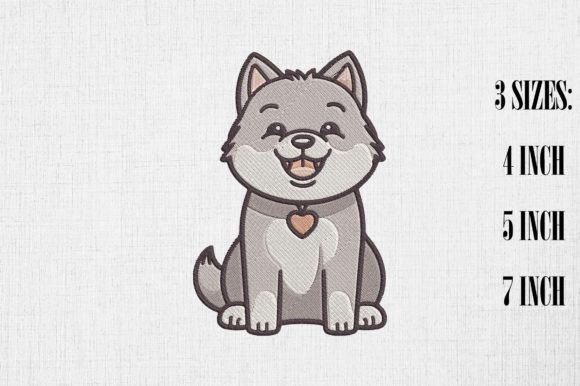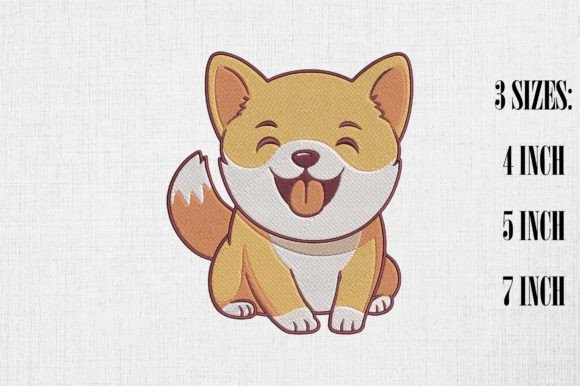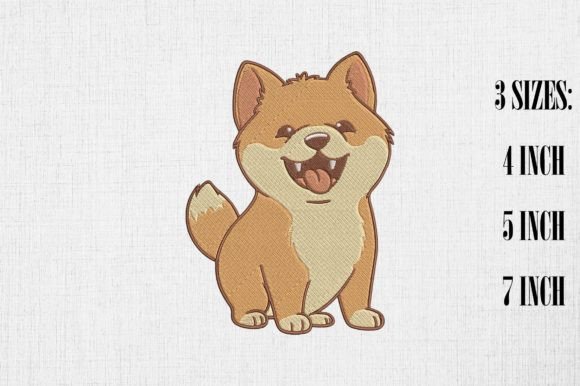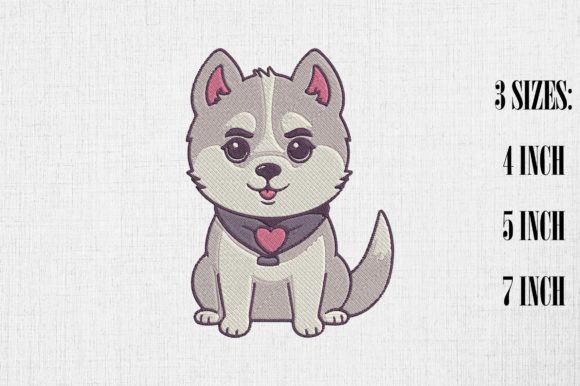
Review: Kawaii Poodle Embroidery Design for Makers
As a designer who has spent countless hours staring at stitch previews and testing machine embroidery design files on scrap fabric, I have developed a keen eye for what works in the real world. It is not just about how cute a graphic looks on a screen; it is about how that graphic translates into thread, how it holds up after washing, and whether it adds genuine value to a handmade product. Recently, I had the chance to evaluate the Kawaii Poodle Embroidery Design, and I want to share my practical insights for fellow crafters, Etsy sellers, and boutique owners considering this asset for their next project.
First Impressions and Visual Personality
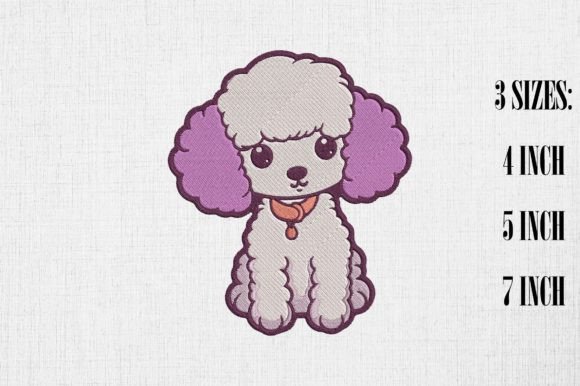
The moment you load the embroidery file into your software, the mood is immediately clear. This is not a realistic portrait of a dog; it is a stylized, cheerful interpretation that leans heavily into the "kawaii" aesthetic. The lines are clean, and the shapes are simplified, which is crucial for machine embroidery. Complex gradients and tiny details often get lost in translation, but this design seems to respect the limitations of the needle and thread.
The visual personality is playful and approachable. For anyone working in the Dogs category, this design offers a fresh alternative to traditional breeds poses. It feels modern and youthful, making it an excellent candidate for products targeting younger demographics or those who appreciate whimsical home decor. The layout appears balanced, suggesting that the digitizer considered how the satin stitch and fill stitch areas would interact to create depth without excessive bulk.
Real-World Application: A Case Study
To truly test the viability of this design, I imagined a specific scenario: creating a line of custom tote bags for a local pet adoption fundraiser. Tote bags are a staple for any craft business, but they present unique challenges due to the canvas texture. I envisioned placing the Kawaii Poodle Embroidery Design on a natural cotton canvas bag. The contrast between the bright, cheerful thread colors and the neutral fabric would likely pop, drawing immediate attention.
Beyond tote bags, this design shines in custom apparel. Imagine it stitched onto the chest pocket of a denim jacket or centered on a soft fleece sweatshirt. The simplicity of the poodle’s form means it won’t look cluttered even on smaller garments like baby onesies. For baby embroidery, the lack of overly dense stitching in critical areas is a major plus, as it keeps the garment comfortable against sensitive skin. It also fits seamlessly into holiday embroidery collections; picture this poodle wearing a tiny Santa hat added via applique, turning it into a best-selling December item.
Versatility Across Product Lines
The description notes that you can embroider this design on clothes, baby’s onesies, home decor, t-shirts, tablecloths, kitchens, towels, and more. From a production standpoint, this versatility is valuable. Here is where I see it performing best:
- Apparel: T-shirts and hoodies benefit from the design’s clear outlines. It works well as a standalone chest piece or as part of a larger back print.
- Home Decor: Pillow covers and kitchen towels are excellent candidates. The design’s cheerful nature brightens up domestic spaces, making it a strong seller for small shop products.
- Accessories: Caps and hats require careful placement. While the design is relatively compact, curved surfaces can distort images. I would recommend testing it on a structured cap first to ensure the poodle’s face remains symmetrical.
- Patches: Creating an embroidered patch with this design could be a lucrative avenue. Patches allow customers to apply the design to multiple items, increasing the perceived value of your design assets.
Technical Considerations and Stitching Performance
While the design is charming, practical execution requires attention to detail. The description mentions that this machine embroidery design comes with mult, which I interpret as multiple sizes or formats, but it is vital to verify the specific file types compatible with your machine before purchase. Always check if the package includes common formats like PES, DST, or JEF.
One critical factor is stitch density. Kawaii styles often rely on bold fills. If the density is too high, the fabric may pucker, especially on thinner materials like jersey knits or silk. I recommend using a cut-away stabilizer for stretchy fabrics and a tear-away for stable woven cottons. For textured fabrics like terry cloth towels, the design’s bold lines should hold up well, but you must ensure the underlay stitches are sufficient to anchor the top threads.
Color selection plays a huge role in the final outcome. Since this is a stylized design, you have creative freedom. However, maintaining contrast is key. If you are stitching on dark fabric, ensure you use light-colored threads for the main body of the poodle, or consider adding a white underlay to make the colors vibrate. Testing the design in black and white mockups can help you identify if the shape relies too much on color differentiation rather than stitch definition.
Where to Use Caution
Not every project is a perfect match. Be cautious when using this design on very small hoop sizes if the smallest available format is still large relative to the item, such as a child’s sock. Additionally, avoid placing it over seams or zippers, as the needle may break or the design may distort. For items that undergo frequent washing, like kitchen towels, ensure you use high-quality polyester threads that resist fading and fraying.
Boosting Brand Value and Customer Trust
For commercial embroidery professionals, the quality of your digital files directly impacts your brand reputation. Using a well-digitized design like the Kawaii Poodle Embroidery Design signals professionalism. Customers can spot sloppy stitching from a mile away. Clean edges, proper thread trims, and consistent tension build trust.
When listing this item on platforms like Etsy, use high-quality photos that show the texture of the stitches. A close-up shot of the poodle’s eye or ear can demonstrate the precision of the satin stitch work. This transparency helps buyers understand the quality of your personalized gift offerings. Furthermore, offering this design on a variety of products—from tote bag design options to sweatshirt embroidery—shows versatility and encourages larger orders.
Final Designer Notes
Before you commit to a large production run, always stitch out a test sample on the actual fabric you plan to use. Check the registration of colors and ensure there are no unnecessary jump stitches that could snag. Confirm the licensing terms provided with the digital embroidery file. Some designers allow unlimited commercial use for finished physical items, while others restrict the sale of the digital file itself. Clarifying this protects your craft business from legal issues.
In summary, the Kawaii Poodle Embroidery Design is a strong contender for makers looking to add a touch of whimsy to their portfolio. It balances aesthetic appeal with technical feasibility, making it suitable for a wide range of embroidery project types. Whether you are creating a finished product for a boutique shelf or a custom order for a client, this design offers the reliability and charm needed to succeed in the competitive handmade market.