Mima Embroidery File: A Designer’s Honest Review
As an embroidery designer who spends countless hours digitizing and testing files for commercial use, I have learned that not every machine embroidery design is created equal. Some look stunning on a screen but turn into a tangled mess of thread breaks and puckering on fabric. Recently, I came across the Mima Embroidery File on Creative Fabrica and decided to put it through its paces. My goal was simple: determine if this design holds up under the scrutiny of real-world production, from custom apparel to boutique home decor.
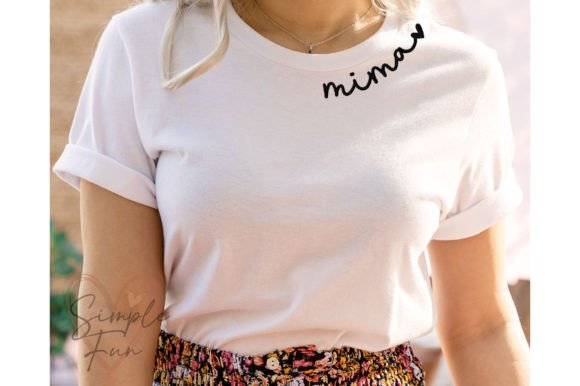
The initial visual impression of the Mima design is one of delicate charm. It carries a soft, nostalgic mood that fits perfectly within the Mother category, evoking feelings of warmth and care. However, aesthetic appeal is only half the battle. For those of us running small businesses or selling on Etsy, we need designs that are not only beautiful but also reliable, efficient, and versatile. Here is my breakdown of how the Mima Embroidery File performs in actual practice.
Visual Appeal and Stitch Personality
When you first open the preview of the Mima Embroidery File, you notice a balanced mix of stitch types. It appears to utilize a combination of satin stitch for smooth, defined edges and fill stitch areas to add depth and texture. This variety is crucial because it prevents the design from looking flat. The decorative appeal lies in its simplicity; it does not try to do too much, which often results in a cleaner finished product.
For designers focusing on Embroidery that speaks to family, nursery themes, or personalized gifts, this style is incredibly effective. It brings a unique personality to creations without overwhelming the base material. Whether you are creating a printable mockup for your online store or stitching a physical sample, the design assets provided seem well-organized, allowing for easy integration into your workflow.
Real-World Application: From Apparel to Home Decor
I tested the concept of using this design across several common product lines. Here is how I envision the Mima Embroidery File fitting into various projects:
- Custom Apparel: The design scales well for left-chest placement on polo shirts or larger center placements on sweatshirt embroidery projects. It adds a touch of elegance to plain garments, increasing their perceived value.
- Tote Bags and Aprons: For a tote bag design, this file works beautifully on canvas. The sturdy fabric supports the stitch density, ensuring the design remains crisp even after frequent use.
- Baby Items and Nursery Decor: Given its gentle aesthetic, this is ideal for baby blankets, bibs, or pillow covers. It serves as a heartfelt personalized gift option for new parents.
- Embroidered Patches: If you plan to create standalone patches, ensure you use a cut-away stabilizer and merrowed edges. The design’s details should hold up well if the hoop size is appropriate for the patch dimensions.
For commercial embroidery purposes, versatility is key. This file seems adaptable enough to work on kitchen towels for a rustic look or on caps for a more casual vibe. However, each application requires specific technical adjustments.
Technical Considerations for Professional Results
Before you commit to a large batch of handmade products, there are critical technical factors to consider. While the product description states the file is suitable for various projects, it does not specify exact stitch counts or recommended hoop sizes. Therefore, you must check the product details on the Creative Fabrica embroidery page before downloading.
Fabric and Stabilizer Choice
The performance of any digital embroidery file depends heavily on the substrate. For stretchy fabrics like jersey knits used in t-shirts, a cut-away stabilizer is non-negotiable to prevent distortion. For woven fabrics like cotton twill or denim, a tear-away stabilizer may suffice, but always test on scrap fabric first. If you are working with textured fabric, such as terry cloth towels, consider using a water-soluble topping to keep the stitches from sinking into the pile.
Stitch Density and Thread Colors
Pay close attention to the stitch density. If the fill areas are too dense for lightweight fabric, you risk puckering. Conversely, if the density is too low, the fabric might show through. I recommend reviewing the color sequence carefully. Choosing high-contrast thread colors can make the design pop on dark fabrics, while monochromatic schemes offer a subtle, sophisticated look for boutique merchandise.
Curved Surfaces and Small Details
If you are applying this to a cap, remember that curved surfaces require careful hooping and possibly a different stabilization strategy than flat items. Tiny details in the design may get lost if the needle size is too large or if the thread tension is off. Always inspect small details after stitching a test run to ensure clarity.
Enhancing Product Value and Brand Consistency
Using a high-quality design like the Mima Embroidery File can significantly impact your brand’s perception. Buyers trust handmade items that look professional. A clean, well-executed embroidery job signals quality, which can justify higher price points for your finished product.
Moreover, consistency in your design choices helps build brand recognition. If your shop specializes in heartfelt, family-oriented items, incorporating designs that fit the Mother theme creates a cohesive catalog. This consistency improves customer engagement and encourages repeat business. When photographing your items for Etsy listings or craft fairs, the unique style of this design can serve as a focal point, making your product photography more appealing and shareable.
Final Verdict and Practical Advice
Is the Mima Embroidery File worth downloading? Based on its visual versatility and potential for high-quality output, yes—but with caveats. It is an excellent choice for designers looking to expand their library with a design that feels personal and crafted. However, success relies on your preparation.
- Verify Licensing: Before selling any custom apparel or home decor items, confirm the license terms on the Creative Fabrica product page. Ensure you have the right to sell finished physical items.
- Test Thoroughly: Never skip the test stitch. Use scrap fabric similar to your final product to check for registration issues, thread breaks, or density problems.
- Mockup Comparison: Create mockups on both light and dark fabrics to see how the design translates. This helps in marketing your design assets effectively.
- Check File Formats: Ensure the download includes the format compatible with your specific embroidery machine. If not listed, contact support or check the detailed description.
In conclusion, the Mima Embroidery File offers a charming aesthetic that can elevate a wide range of projects. By paying attention to stabilizer choice, thread selection, and fabric type, you can transform this digital asset into a best-selling handmade product. It is a solid addition to any designer’s toolkit, provided you approach it with the technical diligence it deserves.