Lucky Day Embroidery Design Review for Boutique Sweatshirts
As an embroidery designer who has spent years digitizing and testing patterns for small clothing brands, I approach every new machine embroidery design with a critical eye. It is not just about whether the pattern looks cute on a screen; it is about how it translates to fabric, how it holds up in the wash, and whether it elevates the perceived value of the garment. Recently, I had the opportunity to evaluate the Lucky Day Embroidery Design for a potential inclusion in a limited-edition sweatshirt drop for a boutique client. This review breaks down my professional assessment of this St. Patrick’s Day themed asset, focusing on its viability for commercial apparel use.
First Impressions: Mood and Aesthetic Appeal
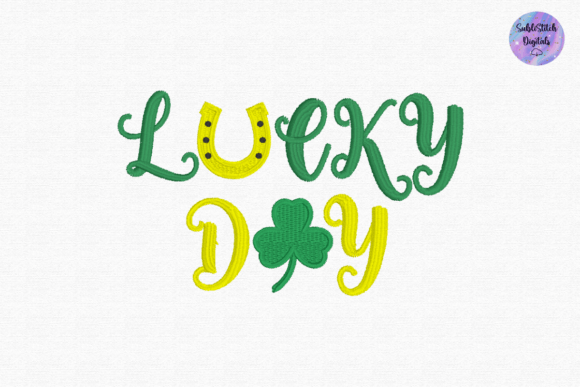
The Lucky Day Embroidery Design immediately strikes a balance between playful charm and classic symbolism. Featuring clovers and a horseshoe, the layout taps into traditional luck motifs without feeling overly cartoonish or juvenile. For a boutique brand aiming to capture the spirit of St Patrick S Day while maintaining a premium aesthetic, this balance is crucial. The design feels decorative yet grounded, making it suitable for a wide demographic ranging from young adults to families looking for coordinated holiday apparel.
When visualizing this embroidery file on a neutral sweatshirt, such as heather grey or oatmeal, the contrast potential is high. The organic shapes of the clovers soften the rigid structure often found in geometric embroidery, giving the finished product a handmade, artisanal feel. It does not scream "mass-produced," which is exactly what Etsy sellers and small shop owners need to differentiate their inventory from big-box retailers.
Placement Strategy for Sweatshirts and Hoodies
One of the most important considerations for any hoodie design is placement. The Lucky Day Embroidery Design offers versatility that appeals to creative entrepreneurs. Here is how I envision it working across different garment styles:
- Chest Placement: On an oversized hoodie, a left-chest placement creates a subtle, sophisticated look. It acts as a small badge of quality, encouraging customers to wear the item beyond just March 17th.
- Sleeve Accents: For a more trendy, streetwear-inspired vibe, placing the design on the upper sleeve adds a unique touch. This works particularly well on dark fabric sweatshirts where bright green thread colors can pop against black or navy backgrounds.
- Back Designs: If scaled appropriately, this motif could be part of a larger back composition. However, as a standalone piece, it is best suited for smaller, intimate placements that highlight the stitch density and detail.
For pastel colors, such as mint or soft pink, the design takes on a feminine and rustic quality. The horseshoe element adds a touch of toughness that prevents the overall look from becoming too saccharine. This duality makes it a strong candidate for custom apparel lines that aim to be both cozy and stylish.
Technical Considerations for Production
From a technical standpoint, executing this design requires attention to detail. Since the description notes clovers and horseshoes, we must consider thread color contrast. Using variegated greens for the clovers can add depth, but solid threads often provide cleaner definition for smaller details. Before running a full production batch, I always recommend stitching out a test sample on the actual fabric weight you intend to use.
Fabric texture plays a significant role here. Sweatshirts are typically thick, which means your stabilizer choice is non-negotiable. A cut-away stabilizer is generally recommended for knit fabrics like fleece to prevent distortion during washing. If you are using a lightweight t-shirt instead, a tear-away might suffice, but for the heavy drape of a premium sweatshirt, stability is key to ensuring the finished product lies flat and does not pucker.
Another critical factor is hoop size. While the exact dimensions are not specified in the brief, designers must ensure the design fits comfortably within their machine’s hoop without excessive trimming or re-hooping. Always check the specific file details before purchase to confirm compatibility with your equipment. Additionally, consider the stitch density. If the design is too dense, it can make the fabric stiff and uncomfortable. If it is too sparse, the underlying fabric may show through, especially on darker garments. A balanced density ensures durability and comfort.
Commercial Viability and Brand Identity
For an Etsy seller or a boutique brand, the right design assets can significantly impact buyer trust and visual recognition. The Lucky Day Embroidery Design contributes to a cohesive brand identity by offering a seasonal product that feels curated rather than generic. When used in lifestyle product photography, the texture of the embroidery adds tactile appeal that digital prints cannot match. This tangible quality justifies a higher price point and enhances the perceived value of the handmade product.
Moreover, seasonal items like this drive customer engagement. They give your audience a reason to visit your shop during specific times of the year. By offering this design on various items—such as tote bags, hats, and t-shirts, as suggested in the product description—you create cross-selling opportunities. A customer buying a sweatshirt might also pick up a matching tote, increasing the average order value.
Final Verdict for Designers and Makers
In conclusion, the Lucky Day Embroidery Design is a robust choice for small business owners looking to expand their St Patrick S Day collection. It bridges the gap between festive fun and wearable art. Its adaptability across different fabric colors and garment types makes it a versatile addition to any digital embroidery file library.
However, success lies in the execution. Pay close attention to your thread colors, choose the right stabilizer for your fabric weight, and always perform a test stitch. Ensure you verify the specific hoop size and file formats provided by the seller to avoid production delays. With careful preparation, this design can become a standout piece in your commercial embroidery portfolio, helping you build a loyal customer base that appreciates quality and creativity.
Remember, while the design itself is strong, your presentation matters. Use high-quality printable mockup tools or real-life photos to showcase the texture and dimension of the stitches. This transparency builds trust and helps customers visualize the small shop product in their own wardrobe. Whether you are decorating for a local market or shipping globally, this design offers the charm and professionalism needed to succeed in the competitive world of custom apparel.